



Roolz
-
Posts
313 -
Joined
-
Last visited
About Roolz

Roolz's Achievements






-
I’m not a lawyer but I’d say it breaks copyright. Either you remove “sensitive”material or take the risk to have the file removed.
-
In case of doubt, check the Boards LoS tool on the Companion : Games->Conan->The companion It can also be installed on a smartphone.
-
Several symbols per area are just here to give more lines of sight. Use the one that allows LoS (if applicable). Area shape has no influence on how dudes are placed inside. There no “movement” inside an area. You can place and “move” dudes as you wish.
-
At the end of the rule book you’ll find clarifications. Some are not required anymore since they’ve been included in the skill sheets v2.1 and discrepancies between FR and EN have been removed/corrected. Teleportation is not a skill but a spell. It has never been on the skill sheets.
-

COOP - Determining Target beyond Alternate Target Hero
Roolz replied to Blackwater's topic in General
Target Hero: 1- Target Hero is the Hero with fewest Energy gems in the Reserve zone, that the Overlord's dude can reach with Melee/Ranged attack. 2- If several Heroes are tied for Energy gems in Reserve, Target Hero is the one with more gems in Wound zone. 3- If still tied, players choose. Alternate Target Hero: IF the Overlord's dude cannot reach the Hero with fewest Energy gems in the Reserve zone... 1- Alternate Target Hero is the Hero with second fewest Energy gems in the Reserve zone, that the Overlord's dude can reach with Melee/Ranged attack. ... etc, same as for regular Target Hero.... -
[Rules] The Black Stone (from Worms of the Earth)
Roolz replied to Uthin's topic in Official scenarios
In this scenario, max number of Skeletons on the board is 10, max number of Worms on the board is 8. So if all Skels/Worms are already on the board, you skip the 1st step ("place") of the event. You still apply the 2nd step ("activate demon") of the event, though. -
[RULES] In the Clutches of the Picts SOLO-COOP - Hyenas
Roolz replied to Blackwater's topic in Official scenarios
I think you activate all Hyenas after you've brought their total to 5. -
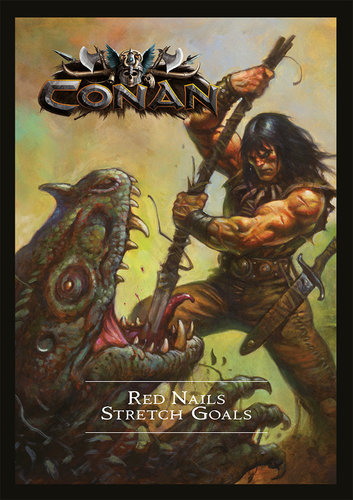
156 downloads
Official file - Stretch Goal Scenarios for Red Nails (february 2025). - Digital Stretch Goal - -
View File Red Nails - Stretch Goals Official file - Stretch Goal Scenarios for Red Nails (february 2025). - Digital Stretch Goal - Submitter Roolz Submitted 02/10/2025 Category Official scenarios
-
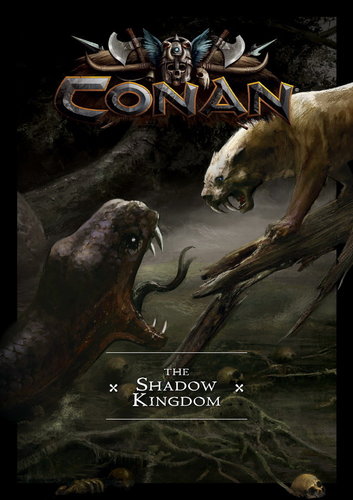
104 downloads
Official file. Conan - Scenarios of the Shadow Kingdom expansion (2021). -
View File The Shadow Kingdom booklet Official file. Conan - Scenarios of the Shadow Kingdom expansion (2021). Submitter Roolz Submitted 02/10/2025 Category Official scenarios
-
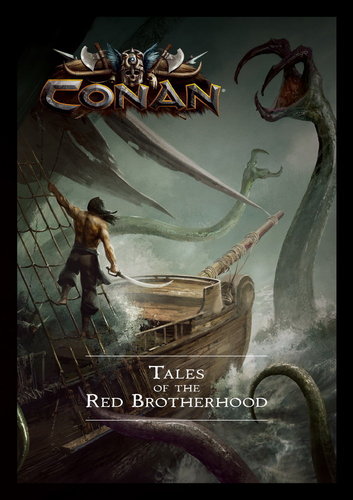
97 downloads
Official file. Conan - Scenarios of the Tales of the Red Brotherhood expansion (2021). See also Errata & Clarifications : https://the-overlord.net/index.php?/files/file/186-conan-the-conqueror-errata-clarifications-en/ -
View File Tales of the Red Brotherhood booklet Official file. Conan - Scenarios of the Tales of the Red Brotherhood expansion (2021). See also Errata & Clarifications : https://the-overlord.net/index.php?/files/file/186-conan-the-conqueror-errata-clarifications-en/ Submitter Roolz Submitted 02/10/2025 Category Official scenarios
-
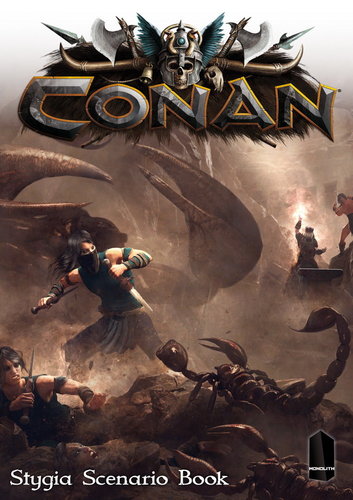
68 downloads
Official file. Conan - Scenarios of the Stygia expansion (2016).